Upgraded legislation, new fund vehicles and cross-border flows are reshaping Macau’s financial services industry
mar26
Gathering pace
Macau Business magazine l March 2026
Upgraded legislation, new fund vehicles and cross-border flows are reshaping Macau’s financial services industry, as local players emphasise differentiation. Henry Chow, chief executive of HSBC Macau, and Bernardo Alves, chairman of A&P Investment Fund Management Company, outline their vision for getting it right.
Photos by Cheong Kam Ka
Macau’s financial services industry has witnessed notable developments in recent years. As one of the four pillars earmarked for economic diversification under the 1+4 strategy, “modern finance” has undergone a broad range of legislative and regulatory upgrades, including the new Financial Services Act adopted in 2023 and, more recently, the revised Investment Funds Law, which came into effect on 1 January this year.
These developments have generated interest from new players overseas and prompted Macau-based stakeholders to raise their game and seek to harness fresh business opportunities. Henry Chow, chief executive of HSBC Macau, and Bernardo Alves, chairman and chief investment officer of A&P Investment Fund Management Company Limited, sat down with Macau Business to share their vision of what is already taking shape and to discuss the road ahead — and how to take the city’s financial services industry to new heights.
While gaming remains by far the city’s leading economic activity and principal driver of wealth creation — accounting for 43.3 per cent of the SAR’s gross value added (GVA) in 2024, down from 50.9 per cent — financial services have been steadily gaining ground. Banking, insurance and pension funding increased from 6.8 per cent of total GVA in 2019 to 7.9 per cent in 2024.
A key driver has been the wealth management segment, which recorded a 7.8 per cent year-on-year expansion in customer numbers in 2024, to 550,000, alongside a 12.4 per cent rise in portfolio market value to MOP 252 billion, according to the latest modern finance report by the Monetary Authority of Macau (AMCM).
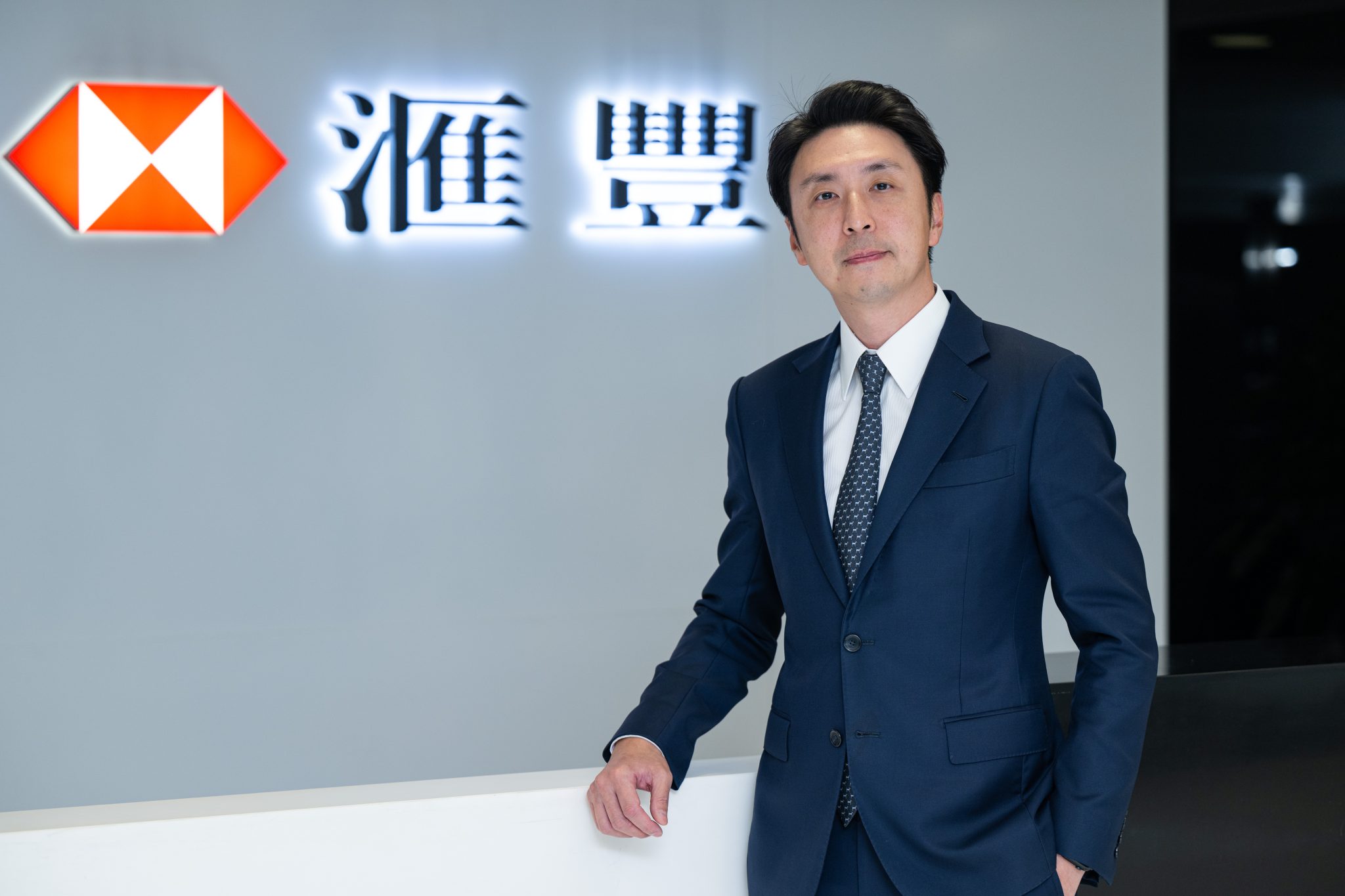
“Considering Macau’s context, we understand how it works and can draw on our experience from mainland China, Hong Kong and other countries to provide relevant expertise and support the development of the industry” – Henry Chow
Henry Chow describes these figures as encouraging indicators of a trend driving market expansion and product sophistication, while also highlighting further potential arising from the Cross-Boundary Greater Bay Area Wealth Management Connect (GBAWMC) scheme. According to data published by the People’s Bank of China, remittances between mainland China and Macau reached CNY 13 billion in 2025, doubling from 2024.
Building a new fund ecosystem
While Hong Kong has seized the GBAWMC momentum, Macau is also well positioned to benefit, including in banking and asset management, as the sector “can capture customer demand and capitalise on this expanding market,” Chow notes.
The newly adopted Investment Funds Law could prove a game changer in this respect. A&P Investment Fund Management Company Limited is a local pioneer in the industry. Still under the previous legislation, it launched the city’s first locally registered open-ended investment fund solely denominated in patacas in 2024, starting with an initial MOP 80 million and growing to close to MOP 500 million, with 2,000 unit holders.
With the new law, not only “the industry itself is becoming more aware of the opportunities”, but it has also “helped open the eyes of the banking sector, which is a key partner in the fund ecosystem,” something that applies “across the board — whether from the custodian side, the fund administration side, or the distribution side.” The new law has already “alerted other market participants that fund distribution in Macau is now possible,” Alves indicates.
Henry Chow agrees that a key takeaway from the new Investment Funds Law has been the creation of “a more supportive environment for industry players like yourself and other fund managers to do business in Macau.”
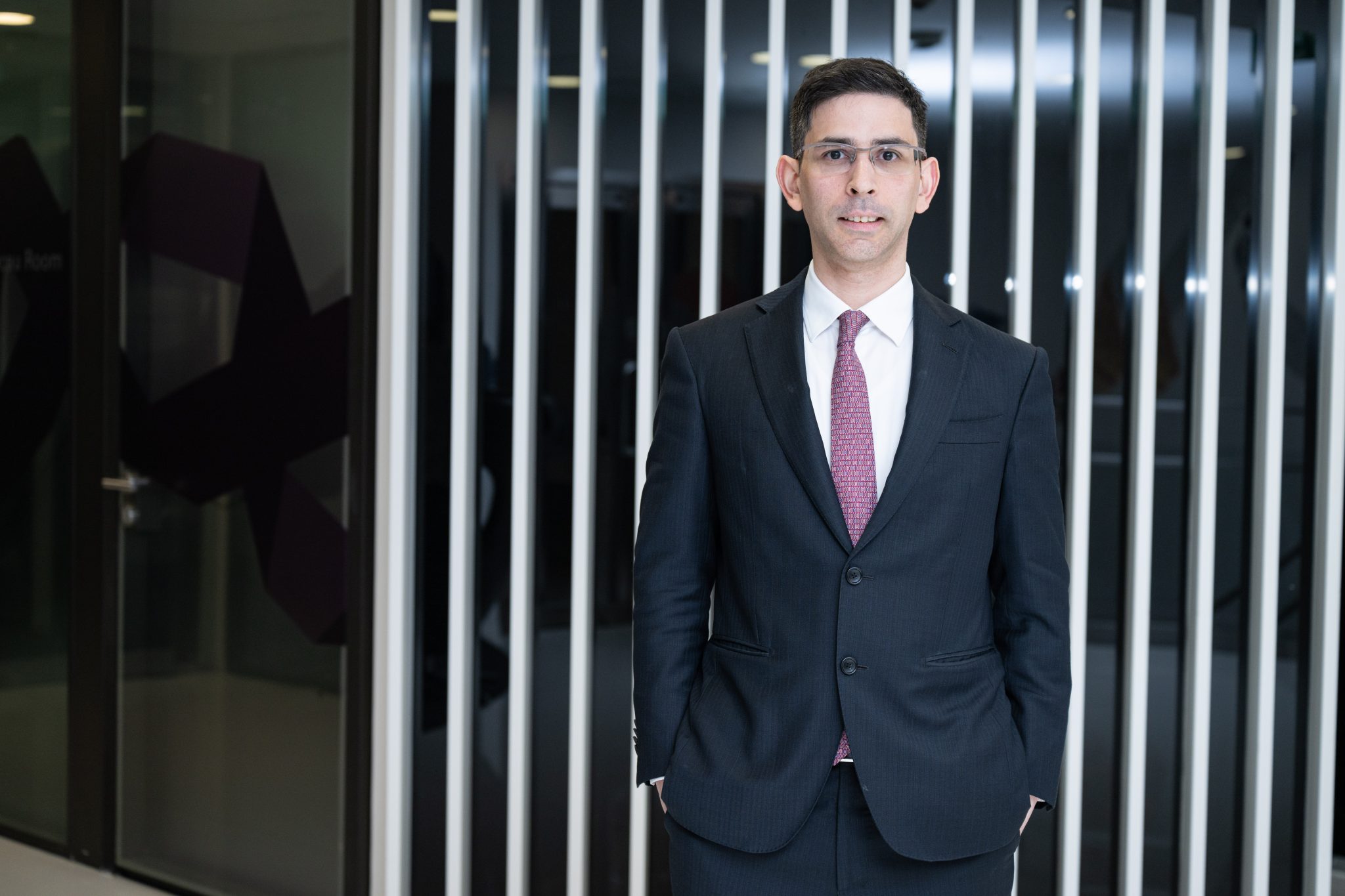
With the new investment funds law, not only “the industry itself is becoming more aware of the opportunities”, but it has also “helped open the eyes of the banking sector, which is a key partner in the fund ecosystem” – Bernardo Alves
Speaking of a “clear shift in sentiment and direction”, Alves emphasises A&P’s recent move to launch Macau’s first locally registered hedge fund, introducing “new ideas and new approaches to capital allocation in Macau,” with “a focus on equities, rather than remaining solely within money market instruments.”
For the development of private funds, A&P chose HSBC — which has been “key to this execution” — to act as its main banking partner, Alves explains, adding that this partnership “plays an important role in the management of the fund, both in terms of cash and liquidity management for unit holders.”
Talent, differentiation and critical mass
Henry Chow stresses that this partnership carries particular significance for HSBC Macau. “We always try to support our customers, in particular on journeys involving innovation or venturing into new territories.”
The bank positions itself as “the right service provider to offer assistance to industry players like A&P”, considering HSBC Macau’s link to the parent group’s global network and expertise. “Considering Macau’s context, we understand how it works and can draw on our experience from mainland China, Hong Kong and other countries to provide relevant expertise and support the development of the industry,” Chow says, stressing the bank’s 54-year history since establishing operations in the city.
The focus on promoting Macau pataca (MOP)-denominated products is pivotal to A&P’s strategy. “We need to create more products and shift the mindset in Macau — from viewing the pataca as merely a transactional currency to seeing it as an investment currency,” Alves underlines.
This view is shared by Chow, as “Macau effectively has a large internal system of wealth in MOP.” A key direction is “how to unlock it for the industry while also providing value to MOP holders,” he adds, noting that while “there is obviously much work to do,” he is “optimistic that the industry has the demand and capacity to respond.”
While upgraded legislation and heightened awareness within the ecosystem, both locally and overseas, are essential, the ability to nurture and attract highly skilled professionals is equally important.
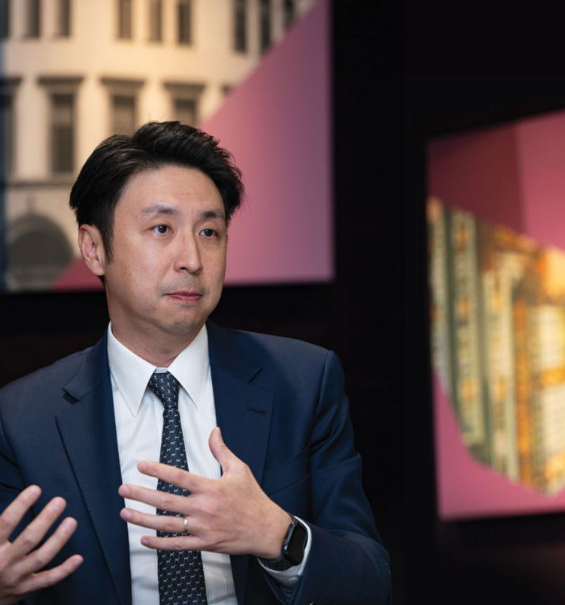
“We always focus on differentiation. Part of that differentiation is Macau’s unique history as a Portuguese-speaking territory, with its own regulatory regime. And that positions Macau as unique compared with Hong Kong” – Henry Chow
Henry Chow
At management level, A&P has members with extensive industry experience and a track record in the funds they have launched, Alves says. The same, however, is not necessarily true in fund administration or back-office operations. “We still need more qualified people as soon as possible and certain skills will need to come from other financial markets, such as Hong Kong or mainland China.”
Taking the message abroad
Alves recognises constraints when it comes to recruiting certain highly skilled professionals. “We hope to hire more locals as well as international talent; the challenge is how to do this on a P&L basis — we have to mix and match.”
He notes that while back-office functions can benefit from synergies with banks, the question is “how to have fund managers who can build the entire network and investment research infrastructure that adds real value to the industry.”
Being a global player allows HSBC to inject international skill sets locally. “We have a broad range of talent development programmes, starting from internships and management trainees, and extending to on-the-job recruits that align with our strategy,” Chow says, adding that this “aligns with the government’s agenda for developing the modern finance sector.”
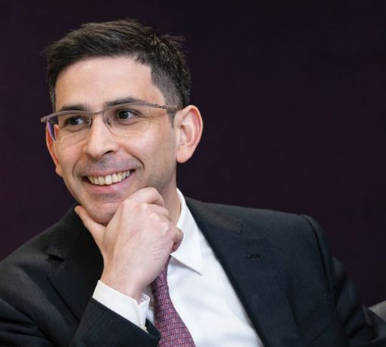
“What is required for the fund industry to develop is the unlocking of capital itself — either at the gates of banks, which are the gatekeepers of capital at this stage, or even from the government — as Hong Kong has done with pension funds and government allocations to local fund managers”
Bernardo Alves
Describing it as a “two-way approach”, he notes that team members are encouraged to take assignments abroad while the bank also promotes the flow of talent from overseas — from Hong Kong and elsewhere, including mainland China — to Macau.
Building a solid critical mass locally also entails nurturing and attracting new investments and service providers. “When corporates and companies decide to start in Macau, then service providers, including banks, can support them,” paving the way for a comprehensive ecosystem. “Critical mass is the key, and then the ecosystem will gradually develop in place,” Chow says. And “as that momentum builds, the other parts of the ecosystem will start to come into play.”
From Alves’ perspective, developing critical mass is closely linked to where the unit holders are. Therefore, “distinctive capability is crucial”. An example: “just because Warren Buffett is from Omaha doesn’t mean Omaha will become the next financial centre.”
Finding a niche
Against this backdrop, “Macau, with Hong Kong nearby, must find its own niche.” Addressing the local fund industry specifically, Alves stresses the need for “more instruments and greater awareness to fully develop this potential.”
In this context, differentiation is seen by both executives as paramount. With all these initiatives under way in the city, is the message of Macau as a financial services opportunity resonating when they engage with overseas and mainland counterparts?
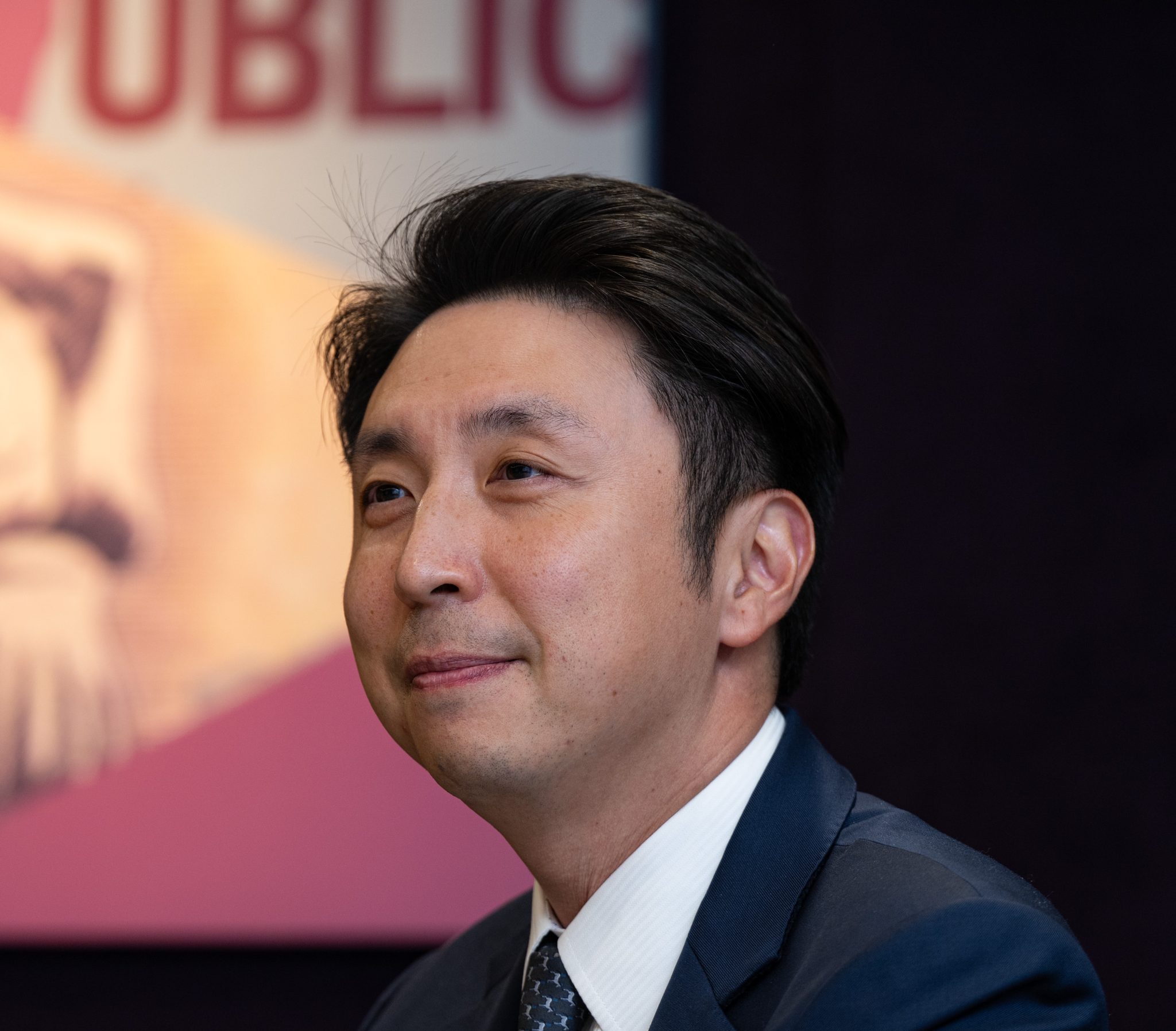
“Everything takes time, but Macau is definitely on the right track because of proactive efforts and the confidence of industry players to invest”
“Critical mass is the key, and then the ecosystem will gradually develop in place.
Henry Chow
“I think the short answer is definitely yes,” Henry Chow says, citing recent meetings held in his capacity as vice-chairman of the Macau Association of Banks. Last July, during a mission to Europe with stops in Portugal, Spain and Luxembourg, he observed strong interest throughout the exchanges. Luxembourg, in particular, presents a compelling comparison. Much like Macau, it has a small population — around 680,000 — yet it is a well-established centre for cross-border asset management in Europe.
The visit allowed Macau’s banking sector to draw on experiences and expertise from those countries while enhancing the city’s visibility. “The Macau Association of Banks has been trying to create awareness of Macau as a growing opportunity.”
A key and conspicuous advantage for Macau is its status as a Special Administrative Region of China, benefiting from the “One Country, Two Systems” policy, he underscores. This translates into its role as a free port, with free flow of capital and tax incentives underpinned by a distinct legal system rooted in Portugal.
From foundations to performance
What then sets Macau apart from a far more developed financial jurisdiction — a world-class hub — such as Hong Kong, China’s other SAR? “We always focus on differentiation. Part of that differentiation is Macau’s unique history as a Portuguese-speaking territory, with its own regulatory regime. And that positions Macau as unique compared with Hong Kong.” The recent expansion of the city’s bond issuance market is viewed as a valuable asset, as Macau has evolved into one of Asia’s major hubs for bond listings, with the total value of bonds issued and listed surpassing MOP 1 trillion (US$124.6 billion), according to Chongwa (Macau) Financial Asset Exchange (MOX). “We make a point of advocating all these advantages during our delegations and these messages have been well received,” Chow emphasises. Another important factor is the presence of local champions that can serve as a source of inspiration and confidence.
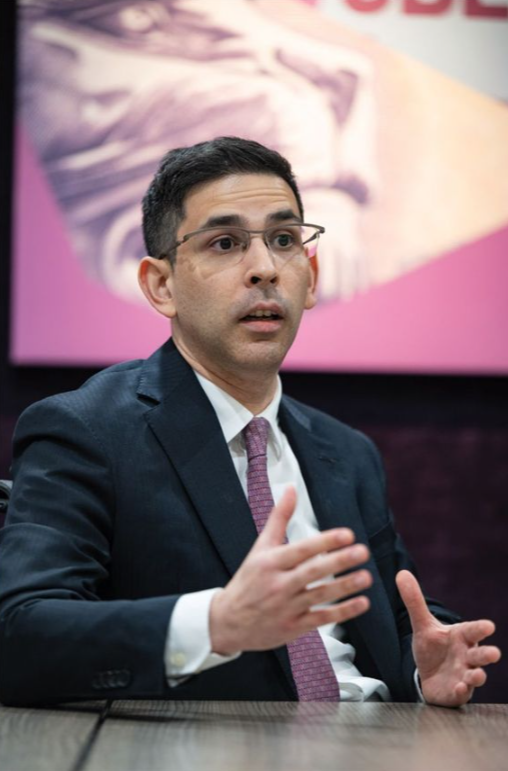
“What is required for the fund industry to develop is the unlocking of capital itself — either at the gates of banks, which are the gatekeepers of capital at this stage, or even from the government — as Hong Kong has done with pension funds and government allocations to local fund managers” Bernardo Alves
A&P has attracted market curiosity and investor engagement. Alves shares that many investors or potential clients ask: “Why are you doing it in Macau? It’s so much easier in Hong Kong.” His personal connection to the city, as a Macanese, is a pivotal driver, alongside the momentum created by a wide range of government and market moves signalling Macau as an opportunity. He notes growing attention from outside the SAR.
Delivery and performance
“What is required for the fund industry to develop is the unlocking of capital itself — either at the gates of banks, which are the gatekeepers of capital at this stage, or even from the government — as Hong Kong has done with pension funds and government allocations to local fund managers,” Alves says.
Looking ahead, A&P is set to launch new products this year. “2026 is a year of performance,” he states. After putting in place the legal and structural foundations, the focus now shifts from set-up to delivery. The firm has established the three types of vehicles permitted under Macau law: a one-to-one structure through the first pilot trust in the city; a one-to-few model with the launch of Monadic Partners, the jurisdiction’s first hedge fund; and a one-to-many structure via the A&P Macau Pataca Money Market Fund, a public fund targeting a broader investor base. Together, these vehicles mark a milestone in the practical implementation of Macau’s updated fund regime. “On these three fronts, this is the year A&P really has to perform,” he says, noting that strong legal backing and solid management structures ultimately count for little if the funds themselves lack a distinctive competitive edge.
For HSBC, the priority will be to continue supporting clients “as they navigate the new modern finance regime,” something that requires “a lot of connectivity with our global counterparts, not only in Hong Kong, to bring the right products, capabilities, and experience to our clients,” Chow stresses.
He sees “many opportunities in Macau and, more broadly, in the Greater Bay Area.” Leveraging the group’s existing capabilities “to focus on key areas such as the Wealth Management Connect scheme and supporting the further development of the bond market in Macau” will take centre stage. As for broader leaps forward in the city’s financial services industry, while “every new initiative takes time” — as evidenced, for instance, by the case of Luxembourg — it is clear for Henry Chow that “Macau is definitely on the right track.”
https://macaubusiness.com/gathering-pace/
Comments
Post a Comment